
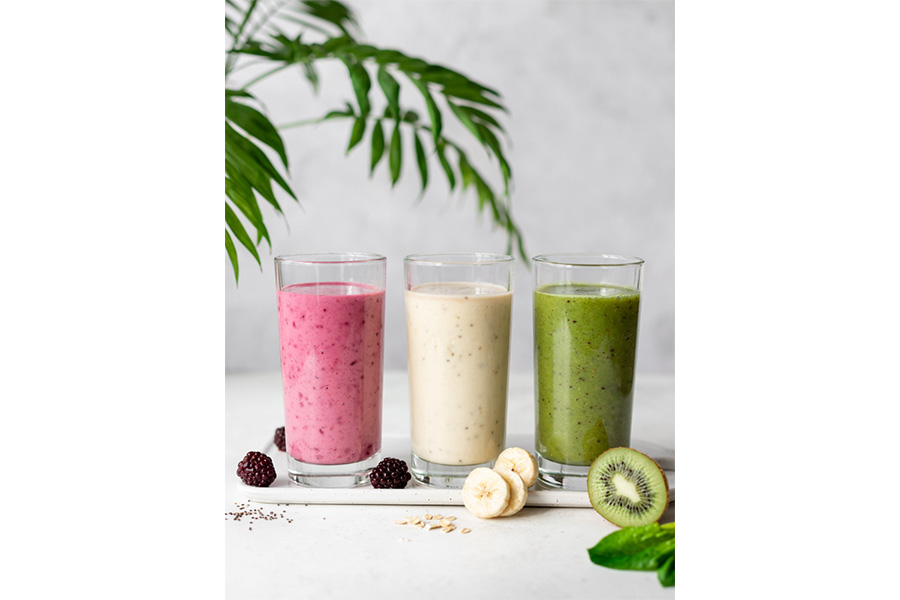

There’s a moment that happens at almost every smoothie bike event. Someone — usually a senior manager who arrived sceptical — sits down on the bike, starts pedalling, and within thirty seconds they’re grinning. By the time they’re holding a freshly blended mango and banana smoothie, they’re already asking when the next one is scheduled.
It’s a small moment, but it tells you everything about why this activity has become one of the most talked-about additions to corporate wellbeing programmes across the UK.
The Problem with Traditional Wellbeing Initiatives
Most wellbeing initiatives fall into one of two traps. Either they’re passive — a webinar people half-watch while answering emails, or a poster campaign that blends into the background — or they’re too demanding, asking employees to commit to lunchtime gym sessions or multi-week programmes that only the already-converted will engage with.
The result is that the people who most need support from wellbeing initiatives are often the least likely to participate in them. The lunchtime yoga class is great for the people who already love yoga. The mindfulness workshop resonates with those already curious about mindfulness. But what about everyone else?
Smoothie bikes sidestep this problem entirely. There’s no prior knowledge required, no fitness level minimum, and no time commitment beyond a single minute of pedalling. The barrier to participation is almost zero — and that’s precisely why participation rates are so high.
Why the Bike Format Works
The physical format of the smoothie bike is deceptively clever. By framing exercise as something you do *to get something* rather than something you do *because you should*, it taps into intrinsic motivation rather than external pressure.
Behavioural science tells us that humans are far more likely to engage in a behaviour when the reward is immediate and tangible. A standard fitness message — “exercise regularly and you’ll feel better in a few months” — struggles to compete with a more immediate pull in the other direction. The smoothie bike collapses that timeline entirely: pedal for one minute, receive a delicious smoothie right now.
This is also why smoothie bikes work so well for people who wouldn’t typically describe themselves as interested in health or fitness. The bike removes the identity barrier. You’re not “a person who exercises” — you’re just someone who fancies a smoothie.
The Team-Building Dimension
Beyond the individual health benefits, there’s a compelling social dimension to smoothie bike events that sets them apart from other wellbeing activities.
Shared physical experiences create bonds. There’s something about doing something slightly silly and slightly effortful alongside your colleagues that accelerates connection in a way that a team lunch or a strategy day rarely does. People laugh. People cheer each other on. People discover that their quiet colleague from accounts is actually extremely competitive when there’s a smoothie at stake.
In an era of hybrid working, where many teams spend only a fraction of their time physically together, these moments of genuine, playful connection are increasingly precious. A smoothie bike session gives you a shared story — the kind that gets referenced in meetings weeks later.
Sustainability as a Selling Point
Corporate sustainability commitments are no longer optional. Employees, clients, and investors increasingly expect organisations to demonstrate that their values extend to how they operate day-to-day — including how they run internal events.
Smoothie bikes are one of the rare workplace activities that genuinely walk the walk on sustainability. They require no electricity, produce no emissions, and generate no electronic waste. When paired with biodegradable cups and locally sourced fruit, the entire event can be run with a minimal environmental footprint.
For communications and HR teams looking to showcase their organisation’s commitment to sustainability in a visible, engaging way, that’s a meaningful differentiator. It’s not just a wellbeing event — it’s a values statement.
Logistics Made Simple
One of the most underrated aspects of a well-run smoothie bike event is how straightforward it is to organise. With the right provider, the entire operation — bikes, fruit, staff, insurance — arrives at your door and gets set up without any heavy lifting from your team.
The space requirement is modest: a 3×3 metre area is typically sufficient for two bikes. That’s achievable in most office reception areas, breakout spaces, or even car parks on a dry day. Events can be scaled from a single afternoon for a small team to a full multi-day programme for a large organisation.
For companies exploring smoothie bikes for their next wellbeing event, providers like Joyful Living handle everything end to end — including a DBS-checked staff member on the day to run the session and keep things moving smoothly.
Making Wellbeing Visible
There’s a final reason why smoothie bikes deserve a place in your wellbeing calendar, and it’s one that doesn’t always get discussed: visibility.
Wellbeing initiatives that happen behind closed doors — therapy referrals, EAP programmes, online resources — are valuable, but they don’t build culture. They don’t create shared experiences or signal to the whole team that wellbeing is something the organisation takes seriously.
A smoothie bike in the middle of the office does. It’s colourful, it’s noisy (in a good way), and it’s impossible to ignore. People who weren’t planning to participate will stop, watch, and join in. People who were having a hard day will find themselves smiling. And leadership will have a visible, tangible reminder that investing in people doesn’t have to be complicated.
Sometimes the most powerful wellbeing statement you can make is also the most fun one.
Thinking about adding something fresh and engaging to your next company event or wellbeing day? A smoothie bike session might be exactly what your team needs.

